


When planning an event with live string music, many clients ask the same question:
Should we use acoustic instruments, or do we need electric strings?
The answer isn’t about trends or volume. It’s about how sound behaves in a space, how music supports an atmosphere, and what kind of experience you want guests to feel.
One important distinction often gets overlooked: amplified acoustic instruments are not the same as electric instruments.
Acoustic Strings, Naturally
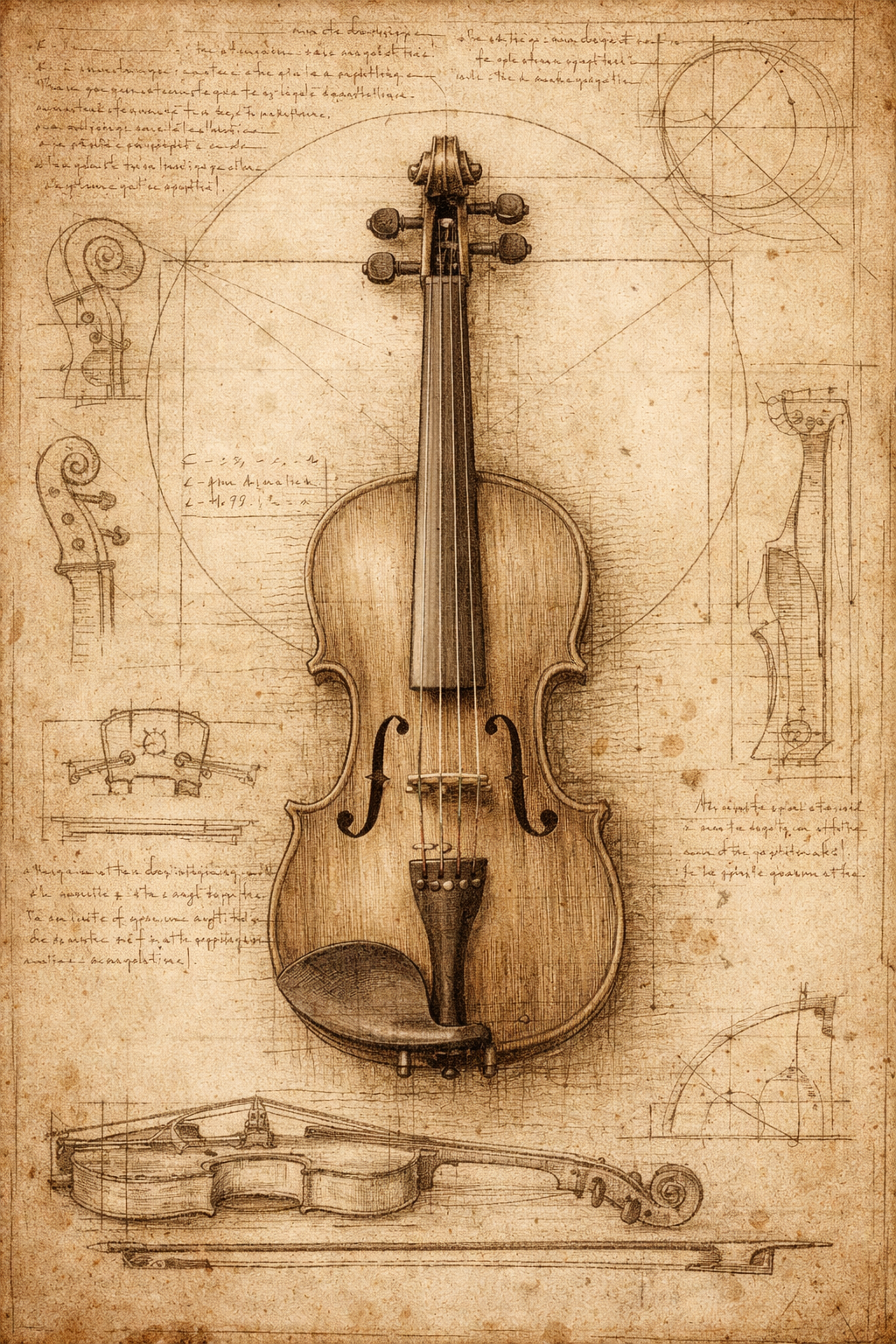
Acoustic string instruments are designed to resonate. Their sound is shaped by the wood, the air moving through the body of the instrument, and the natural response of the bow on the string. This creates warmth, nuance, and a sense of presence that feels organic and human.
In many settings, acoustic strings don’t need amplification at all. In others, especially larger rooms or outdoor spaces, light sound reinforcement allows the music to carry evenly without changing its character. The instrument remains acoustic. The amplification simply helps the sound travel.
When the goal is elegance, intimacy, and a refined atmosphere, acoustic strings are almost always the preferred choice.
What Amplification Really Means
There’s a common misconception that once an instrument is amplified, it becomes “electric.”
That isn’t the case.
An amplified acoustic violin is still an acoustic instrument. The sound originates naturally and is gently reinforced so it can be heard clearly throughout the space. The tone, resonance, and expressive detail remain intact.
Amplification, when done thoughtfully, is about balance rather than volume. It allows the music to support conversation, speeches, and movement without overpowering the room.

Electric Strings Are a Different Instrument
Electric violins are built differently and behave differently. They produce sound electronically and are designed for consistency, effects, and higher volume levels. This makes them useful in certain environments, particularly when the music needs to cut through heavy ambient noise or integrate closely with DJs and large-scale sound systems.
Electric strings have their place. But they are not a substitute for acoustic sound, and they are not intended to replicate the warmth or natural resonance of traditional string instruments.
Choosing the Right Sound for Your Event
Most ceremonies, cocktail hours, and corporate gatherings benefit from acoustic strings, sometimes paired with subtle sound reinforcement. This approach keeps the music present but never intrusive, allowing it to blend naturally into the environment.
Electric instruments may be appropriate for very large venues, high-energy receptions, or settings where volume and consistency take priority over nuance.
The right choice depends on the space, the flow of the event, and the atmosphere you want to create—not on equipment alone.
How We Approach Sound
Some clients come in knowing exactly what they want. Others simply want the music to feel right.
Our role is to listen first. We consider the room, the audience, and the purpose of the event, then guide the sound so it supports the experience rather than distracting from it. Whether amplification is needed or not, the goal is always the same: music that feels natural, balanced, and effortless.
When sound is handled thoughtfully, it disappears into the background—and the moment speaks for itself.